Two humanoid robots named Robia and Jojo have made The Sicilian, a neon-lit restaurant in Karachi, a place families now travel across the city to visit. The Karachi robot waiters were not bought off the shelf from abroad: Multan engineer Syed Osama Aziz and his robotics company, Cobot, designed, wired and programmed them in Pakistan.
In an AFP report published on 8 November and carried by Dawn, Arab News and the Manila Times, Aziz said he built the pair mostly from locally made parts. He designed the circuit boards himself and wrote the software in his own lab with help from friends. Some of the electronic components still had to be imported.
How the Karachi robot waiters work
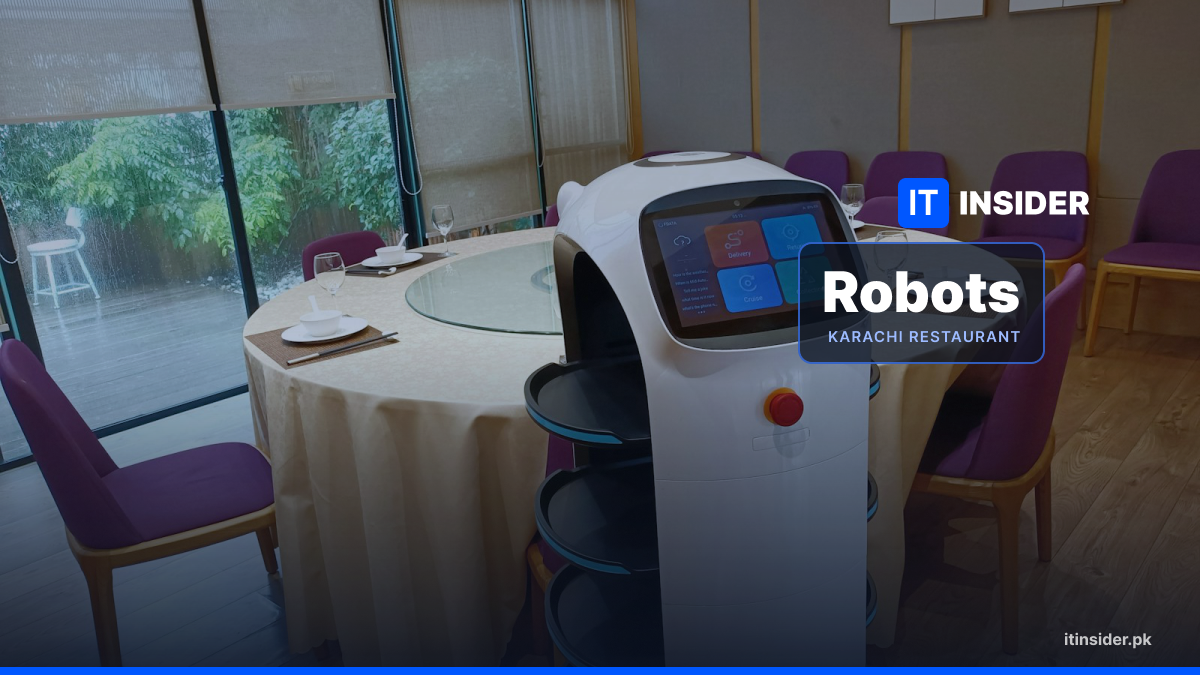
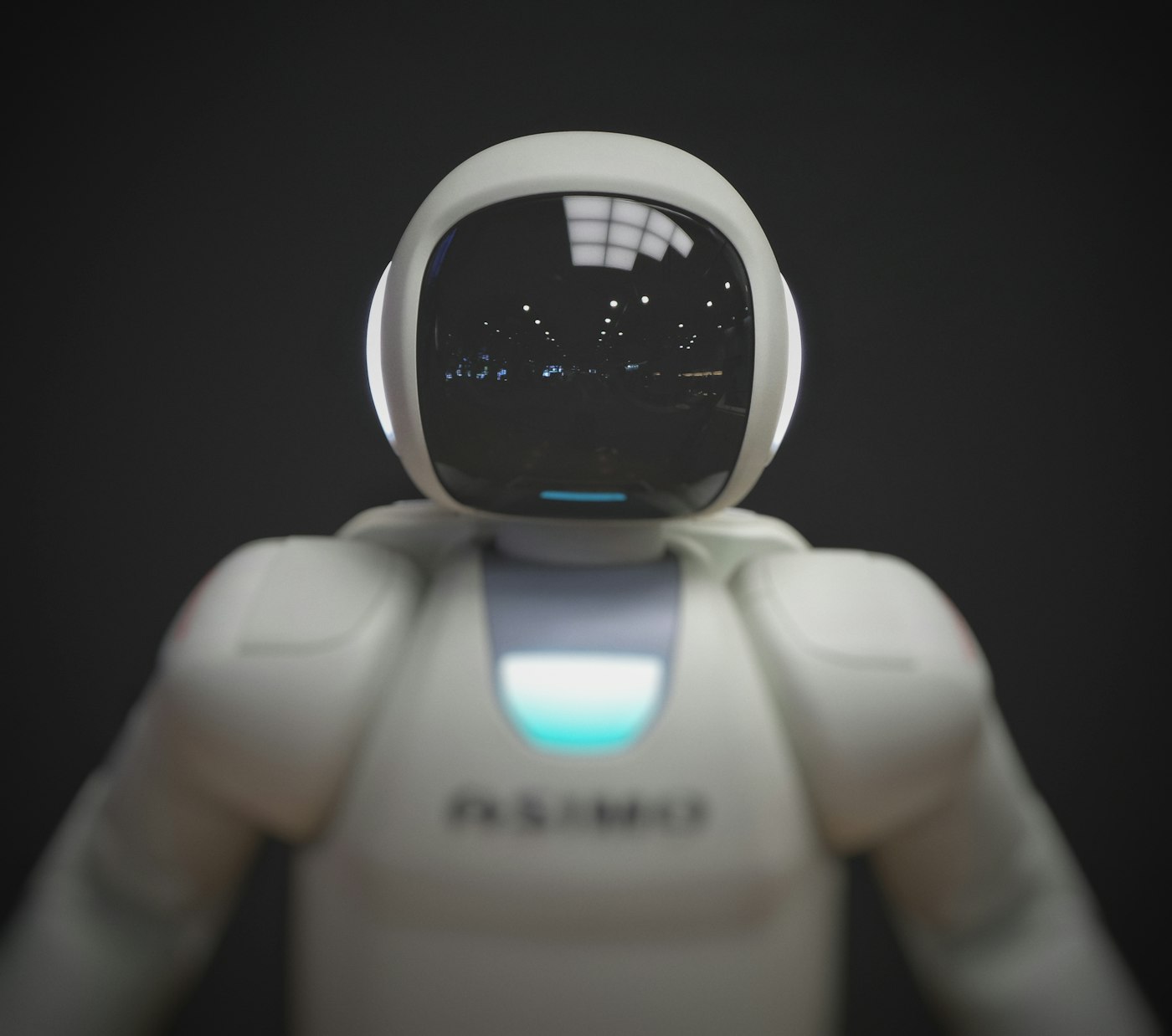
Robia greets diners in an electronic voice and introduces herself by name. Both robots have round white heads, dark visors that look like motorbike helmets and black shawls styled like a dupatta. Robia’s eyes are blinking red LEDs. The two glide between booths carrying trays of pizza and other dishes to the tables.
For now they do only a small part of the job. When a robot reaches a table, diners either lift the food off the tray themselves or wait for a staff member, and staff pass the orders to Robia. An earlier report by the Press Trust of India in August said the robots run on batteries and get their tasks through a mobile app.
The novelty is paying off. AFP described families arriving just to watch, with children reaching out to touch the machines and parents taking selfies. A staff member identified as Hellen told the agency, “Our business has grown. People are coming from far away for this.” Customer Ahmer Zameer said he liked that the robot introduces itself and tells diners what they can order.
From a Multan bedroom lab to a Pakistani robotics startup
Aziz is not new to the field. A 2021 Arab News profile, which spells his first name Usama, described him as a NUST electrical engineering graduate who had turned his bedroom in Multan into a robotics lab. The profile said a Multan restaurant had used an early food-serving droid he built. It also said his startup at the time, NextGen Robotix, won the National Centre of Robotics and Automation’s Robotics Start-Up Challenge in 2020 and took home a Rs300,000 prize.
Speaking to PTI in August, Aziz said his first restaurant robot in Multan did not catch on. He also put a price on the current machines: about Rs420,000 per robot. Cobot is offering restaurants and schools trial placements at subsidised rates. According to that report, Cobot robots already work in several restaurants in Karachi, Lahore and Multan. “We manufacture robots locally using hardware, circuit boards and fibreglass bodies,” he told the agency.
Getting parts is still his biggest problem. Aziz told AFP that the equipment and materials needed to build robots are hard to find locally, so his team had to source them on its own. Next he plans to add camera-based and image-processing features, so the robots can recognise returning customers, remember what they ordered before and suggest dishes.
Where humanoid robots in Pakistan stand
AFP noted that robots delivering food, cleaning floors and greeting hotel guests are a common sight in China and other parts of East Asia. In Pakistan they are still rare enough to draw crowds. The country’s formal push into the field began in May 2018, when then planning minister Ahsan Iqbal inaugurated the National Centre of Robotics and Automation (NCRA). CW Pakistan reported that the centre is headquartered at NUST’s College of Electrical and Mechanical Engineering and links labs at universities including NED, MUET, ITU Lahore, FAST-NUCES and UET Peshawar.
Aziz went from a NUST degree to an NCRA startup award to robots on a Karachi restaurant floor, the kind of path that network was meant to create. His story also shows how far a small hardware team can get on a modest budget when it controls its own design and software.
What it means for local tech manufacturing and jobs
For Pakistan’s tech sector, the bigger story is the supply chain. When the bodies, boards and code are made at home, design, repair and programming skills stay in the country, and a restaurant can get a locally built machine fixed without waiting on a foreign vendor. The weak link is the one Aziz named himself: key electronics still have to be imported, which leaves small makers exposed to import costs and delays.
On jobs, the current setup suggests the robots are helping staff rather than replacing them. Robia and Jojo carry trays, but people still take orders, plate food and look after guests. That balance could shift once features such as face recognition arrive, so it is worth watching as more outlets sign up for trials.
Key facts
- Robots: Robia and Jojo, humanoid robot waitresses at The Sicilian, Karachi
- Builder: engineer Syed Osama Aziz and his Multan-based company Cobot
- Build: mostly local parts, in-house circuit boards and software, some imported electronics
- Reported cost: about Rs420,000 per robot (PTI, August 2026)
- Next step: camera and image-processing features to recognise repeat customers
Official sources: AFP report via Dawn, NCRA launch report (CW Pakistan)
Also reported by: The Manila Times, Arab News, Qatar Tribune (PTI), Arab News (2021 profile)
Facts and figures checked against official sources by the ITInsider desk.