

Pakistan’s biggest business body wants investors and policymakers to put more money into 5G in Pakistan. It argues that faster networks are now essential to how the country earns from agriculture, industry and IT services. The Federation of Pakistan Chambers of Commerce and Industry (FPCCI) made the call on 8 November in Lahore, about eight months after the country sold its first 5G spectrum.
The remarks came from Shahid Imran, convener of FPCCI’s Regional Committee on Food, who was speaking at the opening of a modern agricultural farm. According to the Associated Press of Pakistan (APP), he called for “strategic investment in 5G infrastructure,” backed by supportive spectrum policies and closer public-private collaboration to speed up digital transformation.
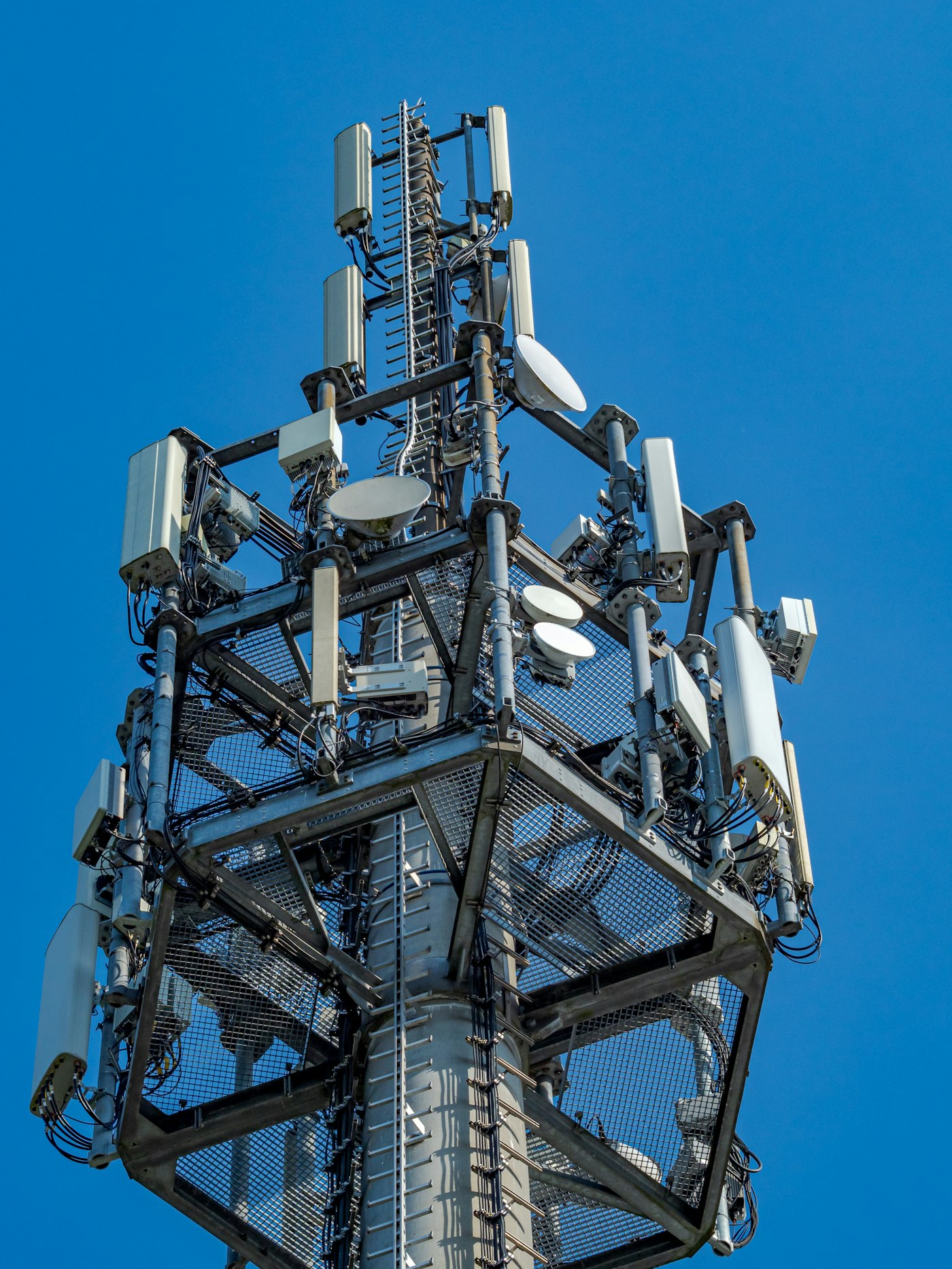
What FPCCI is asking for
Imran’s argument covered most of the economy. On farms, he said, IoT sensors connected over 5G could help growers manage irrigation and crops more precisely and raise yields in a sector that matters a great deal to GDP. In factories and logistics, he expects faster networks to support automation and smarter supply chains that reduce operating costs.
He also pointed to the technology sector. Better connectivity, he said, would open more room for remote collaboration and international digital trade. He added that 5G could narrow the gap between cities and villages through telemedicine and remote learning.
He was open about the obstacles: high infrastructure costs, foreign exchange constraints and the large amount of fibre still needed. His remedies were a friendlier regulatory environment, targeted foreign investment and better coordination between government and industry. APP’s report did not include any investment amounts or targets.
Where the 5G rollout stands
Pakistan held its long-delayed spectrum auction on 10 March 2026. Coverage by Dawn and Geo reported that 480 MHz was sold for $507 million, short of the 597 MHz on offer. The Finance Division’s Pakistan Economic Survey 2025-26 puts the proceeds at about $509.6 million and says payment is due after one year.
Three operators won spectrum. According to the Economic Survey, Jazz took 190 MHz, Ufone 180 MHz and Zong 110 MHz across the 700, 2300, 2600 and 3500 MHz bands. Jazz was the only bidder to win spectrum in all four bands. Licences were handed over in Islamabad on 19 March, and Dawn reported that Jazz and Zong began commercial services in major cities soon after.
The network has grown quickly since then. On 20 October, at a summit in Seoul, IT Minister Shaza Fatima Khawaja said 5G was live at more than 1,700 sites in 24 major cities, with average speeds of 130 Mbps. She said operators’ total spectrum holdings had risen from 274 MHz to 754 MHz, and that more than 234,000 km of optical fibre had been laid nationwide, according to APP.
Gaps remain. In May, The Express Tribune reported that only about 5% of handsets in Pakistan were 5G-capable and that iPhone users were not expected to get 5G until 2027. The same report said taxes on the telecom sector were about 45%, which industry officials describe as among the highest of any sector.
Why 5G in Pakistan matters for IT exports and freelancers
The technology sector has the most direct interest in this debate. According to the Economic Survey, ICT export remittances rose 19.7% to $3.388 billion in July-March FY2026. Freelancers’ remittances grew even faster, up 51% to $856.3 million over the same period.
Most of that work runs on mobile and home broadband. More reliable, higher-capacity connections could make it easier for freelancers outside the big cities to handle video calls, cloud development and large file transfers for foreign clients. That is the kind of urban-rural levelling FPCCI described.
The user base is already large. The Economic Survey counts about 204.8 million mobile subscribers and about 161 million broadband subscribers as of March 2026. Total teledensity stands at 82.6% and broadband penetration at 64.2%. The open question is how quickly those users can move to 5G networks and to phones that support them.
The road ahead
FPCCI’s call echoes concerns that operators have raised all year. Spectrum is now available, but the costs of building on it are high: fibre backhaul, new sites, imported equipment and, for consumers, affordable 5G phones. Operators have proposed a government-backed instalment scheme for handsets, though The Express Tribune reported that Zong opposed the idea.
The business community is asking for consistent policy as much as for money. Whether 5G becomes a real driver of exports or stays a feature of big cities will depend on spectrum pricing, the tax burden and how fast fibre reaches smaller towns.
Key facts
- FPCCI’s Shahid Imran called for more 5G investment and supportive spectrum policies in Lahore on 8 November 2026.
- The March 2026 auction sold 480 MHz to Jazz (190 MHz), Ufone (180 MHz) and Zong (110 MHz).
- The IT minister said 5G was live at 1,700+ sites in 24 cities by October, with average speeds of 130 Mbps.
- Freelancers’ remittances reached $856.3 million in July-March FY2026, up 51%.
- Only about 5% of handsets in Pakistan were 5G-capable as of May 2026.
Official sources: Pakistan Economic Survey 2025-26, IT and Telecom chapter (Finance Division), IT Minister Shaza Fatima Khawaja’s remarks (APP), FPCCI official’s statement (APP)
Also reported by: The Nation, Dawn, Dawn (licences), The Express Tribune, Geo News
Facts and figures checked against official sources by the ITInsider desk.