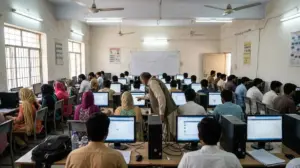
Pakistan’s IT sector needs skilled people, but many students finish a degree without a clear plan for getting their first job. This roadmap explains, year by year, what Pakistani IT and computer science students can do to build skills, experience and a portfolio that employers and clients notice.
In short: pick a direction early, learn by building projects, put your work on GitHub or a portfolio, get internship or freelance experience before graduating, and keep learning with free and certified courses.
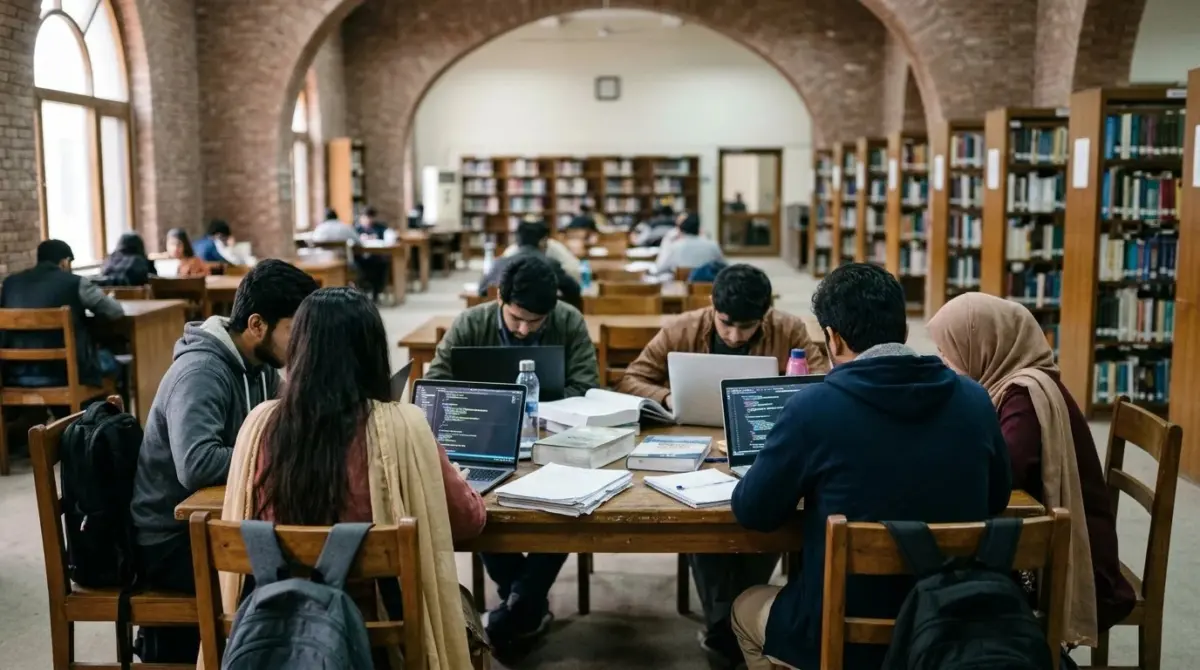
Step 1: choose a direction
| Path | What you do | Core skills to start |
|---|---|---|
| Web development | Build websites and web apps | HTML, CSS, JavaScript, a framework, databases; see our web developer guide |
| Mobile development | Build Android and iOS apps | Kotlin or Swift, or Flutter / React Native |
| Data analysis | Turn data into decisions | Excel, SQL, Power BI; see our data analysis guide |
| AI and machine learning | Build models and AI products | Python, maths, ML libraries; see our AI guide |
| Cybersecurity | Protect systems and data | Networking, Linux, security basics; see our cybersecurity guide |
| Cloud and DevOps | Run and automate systems | Linux, cloud platforms, CI/CD |
Step 2: a year-by-year plan
- Year 1: get strong in programming fundamentals and problem solving. Use Git from the start.
- Year 2: pick your direction and build two or three small projects. Join a student society or open-source project.
- Year 3: do an internship or freelance on small paid projects. Build one bigger project.
- Year 4: make your final-year project something you can show employers. Polish your CV, GitHub and LinkedIn, and start applying early.
Step 3: learn by building
Employers want proof you can do the work. A small app, a website for a local business, a data dashboard or a security write-up says more than a list of courses. Put each project on GitHub with a short explanation of what it does and how you built it.
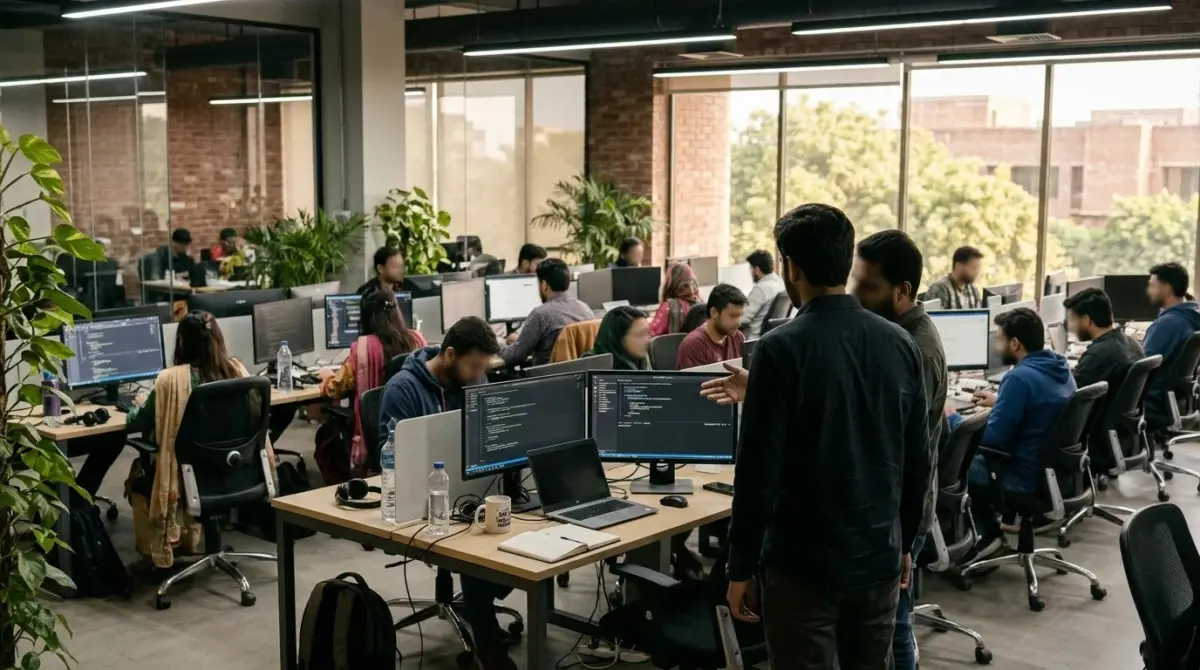
Step 4: use free and certified learning
- Free government courses: DigiSkills.pk and NAVTTC.
- Certifications: entry-level cloud and security certificates can help; see our certifications guide.
Step 5: decide between a job and freelancing
A first job at a software house gives structure, mentoring and teamwork experience. Freelancing gives flexibility and dollar income but needs self-discipline. Many people do both over time; see our guide on remote jobs vs freelancing.
Soft skills that matter
- Clear written English for emails, documentation and proposals
- Working in teams and with deadlines
- Explaining your work simply
Key facts
- Choose a direction by your second year
- Build projects and publish them on GitHub
- Get internship or freelance experience before graduating
- Use free courses (DigiSkills, NAVTTC) and targeted certifications
Frequently asked questions
What is the best IT field for Pakistani students?
There is no single best field; web development, data analysis, AI, cybersecurity and cloud all have demand. Choose one that interests you and build projects in it.
When should I start building a portfolio?
From your second year. Even small projects on GitHub help.
Is a degree enough to get an IT job in Pakistan?
A degree helps, but employers usually also want practical projects, internships or freelance experience.
Are free courses useful?
Yes. DigiSkills and NAVTTC courses can build skills, especially when combined with real projects.
Should I freelance as a student?
Small freelance projects can build experience and income, as long as they do not affect your studies.
Guide as of November 2026.
Official sources: DigiSkills.pk; NAVTTC
Facts and figures checked against official sources by the ITInsider desk. Rules and fees change; confirm on the official site before you act.
Featured image: representational, AI-generated