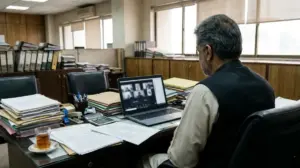
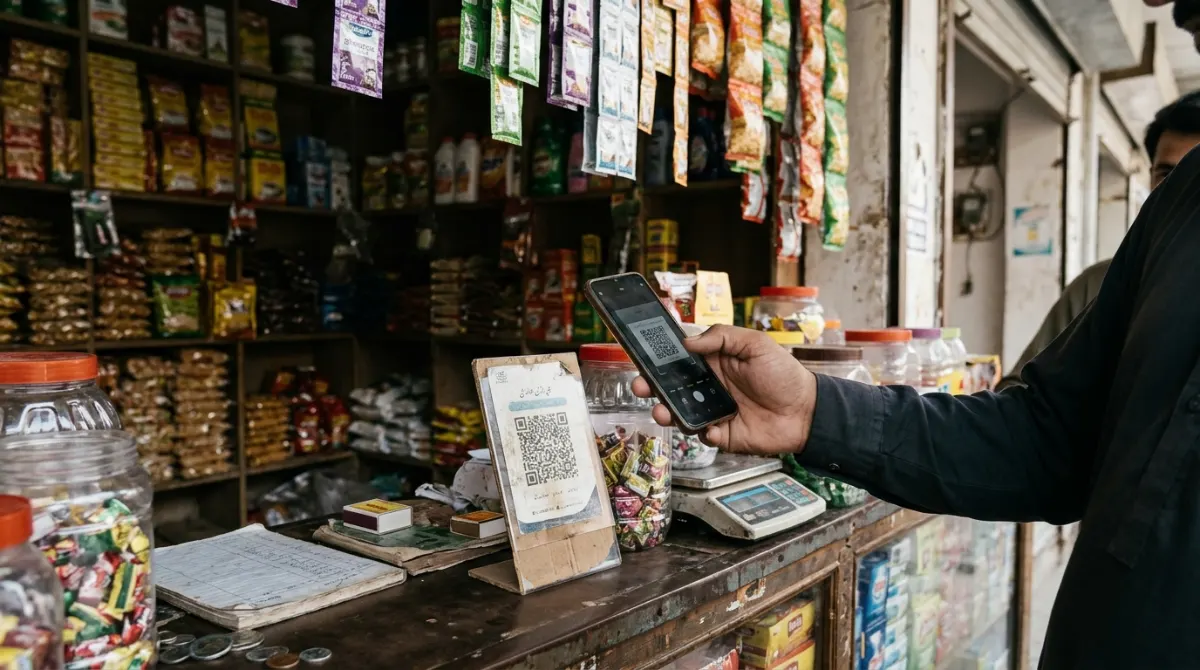
Government offices in Islamabad will stop accepting cash from November 30, as the federal government pushes ahead with its plan to turn the capital into Pakistan’s first fully cashless city.
Minister of State for Interior Talal Chaudhry said no department of the Islamabad Capital Territory (ICT) administration or the Capital Development Authority (CDA) will take cash payments after that date. He also set December 31, 2026 as the deadline for all businesses and shopkeepers in the city to connect to digital payment systems.
Chaudhry made the announcement while chairing a meeting on the Cashless Islamabad project. CDA Chairman Suhail Ashraf, representatives of the banking sector and other senior officials attended the meeting.
A push from the top
According to Chaudhry, the project is moving quickly on special instructions from the prime minister and the federal interior minister. Interior Minister Mohsin Naqvi has reportedly assured the prime minister that Islamabad will become the first cashless city in the country and the first cashless capital in the world.
The minister said moving away from cash will improve financial transparency, help tax monitoring and make transactions smoother for both citizens and businesses.
26,000 merchants already connected
Around 26,000 merchants in Islamabad are already linked to digital payment systems, Chaudhry said. The plan is to extend the facility to every level of business in the city, from street vendors to large commercial centres.
He said consultation with all relevant institutions and stakeholders was key to the project’s success. Banking sector representatives at the meeting welcomed the initiative and promised full cooperation. Chaudhry added that all concerned institutions would work together to make Islamabad a modern digital city.
For residents, the first visible change will come at government counters. From the end of this month, fees, charges and other payments at ICT and CDA offices will have to be made through digital channels such as bank transfers, cards, mobile wallets or QR codes.
Digital payments are growing fast
The cashless drive comes as digital payments continue to grow across Pakistan. Retail transactions rose to 14.3 billion in FY2026, worth a combined Rs673 trillion, up from 9.1 billion transactions worth Rs612 trillion in FY2025.
Mobile banking users reached 24.1 million in FY2025, more than double the 10.9 million recorded in FY2021.
The growth has made fintech and digital payments one of the most active parts of Pakistan’s technology economy, and a citywide mandate in the capital could add thousands of new merchants to the digital payment network in a short time.
The bigger test will be the December 31 deadline for private businesses. Small shopkeepers and street vendors, many of whom still rely on cash, will need accounts, QR codes and reliable connectivity to meet it. How quickly banks and payment companies can onboard them will decide whether Islamabad can actually go cashless by the end of the year.