Pakistan is losing an estimated $300 million to $400 million a year in foreign exchange because domestic card transactions in rupees are processed through international card networks, according to Senate Standing Committee on Finance and Revenue Chairman Saleem Mandviwalla.
Speaking during a visit to the Karachi Chamber of Commerce and Industry (KCCI), Mandviwalla said the committee had taken up the issue as part of its efforts to reduce foreign exchange outflows.
Why domestic card transactions matter
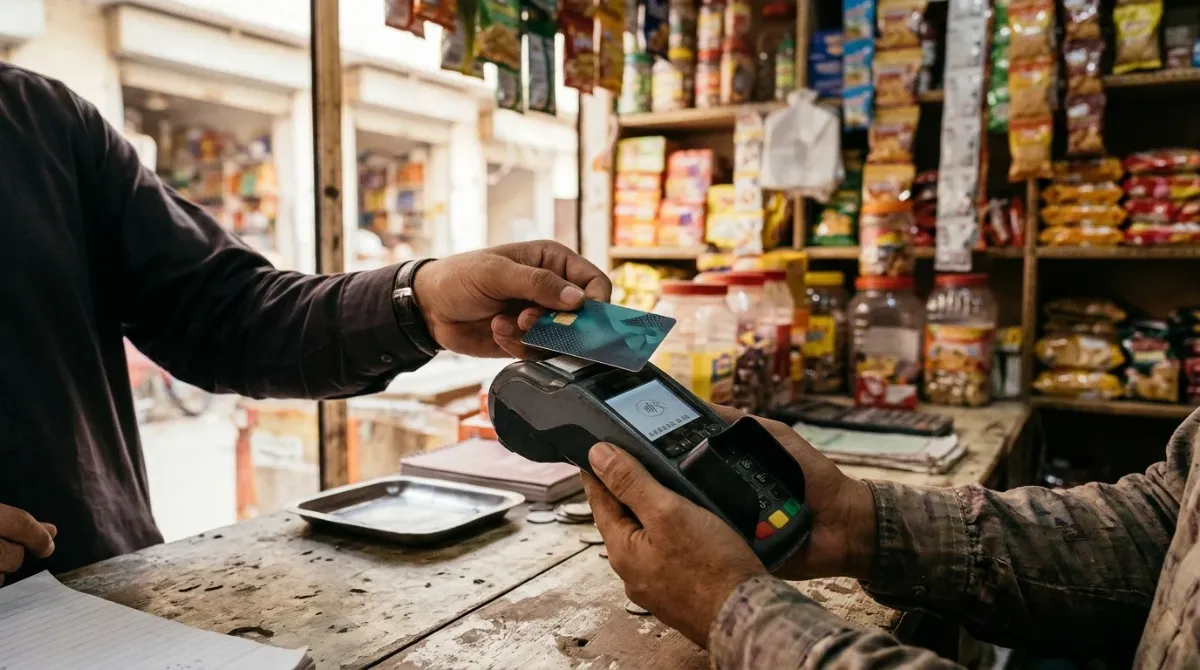
When a Pakistani customer pays a local merchant in rupees with a card issued on an international scheme, the transaction is still routed through that network, which earns fees that leave the country. Pakistan has its own domestic card scheme, PayPak, and the instant payment system Raast, but international cards still dominate everyday card spending.
Mandviwalla did not give a timeline for any change, but his remarks add pressure on banks and regulators to keep more domestic payment traffic on local rails.
SMS charges and PRI spending
The senator said the committee is also working to end compulsory SMS alert charges that banks impose on customers without their explicit consent.
He added that the committee’s intervention had helped cut around Rs120 billion in unnecessary annual government spending under the Pakistan Remittance Initiative (PRI).
Mandviwalla urged businesses to stay engaged with parliamentary committees through the year and submit detailed budget proposals two to three months before the budget process begins.
Key facts
- Estimated annual outflow: $300 million to $400 million
- Cause: domestic rupee transactions processed through international card networks
- Also targeted: compulsory bank SMS charges without consent
- PRI savings claimed: about Rs120 billion a year
Source: Senate Standing Committee on Finance and Revenue Chairman Saleem Mandviwalla, at KCCI
Featured image: representational, AI-generated